



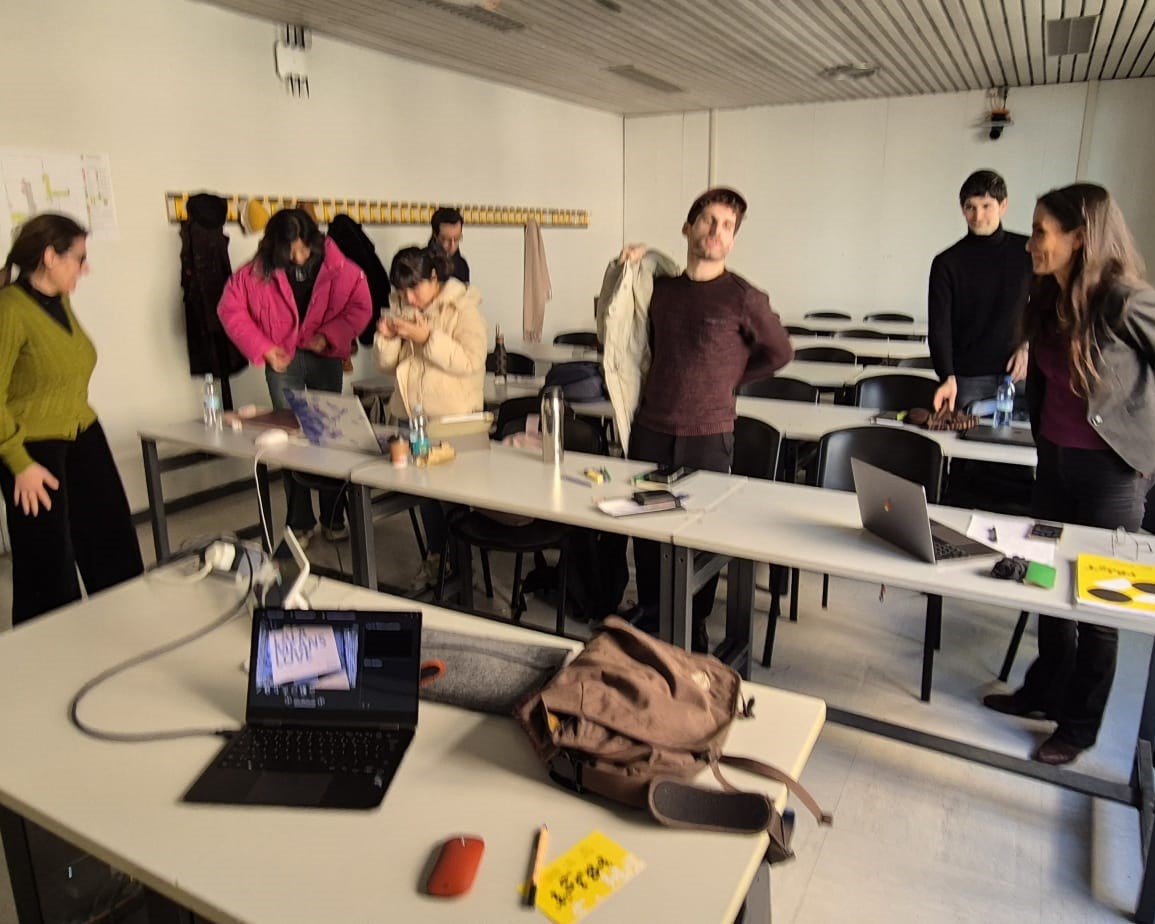

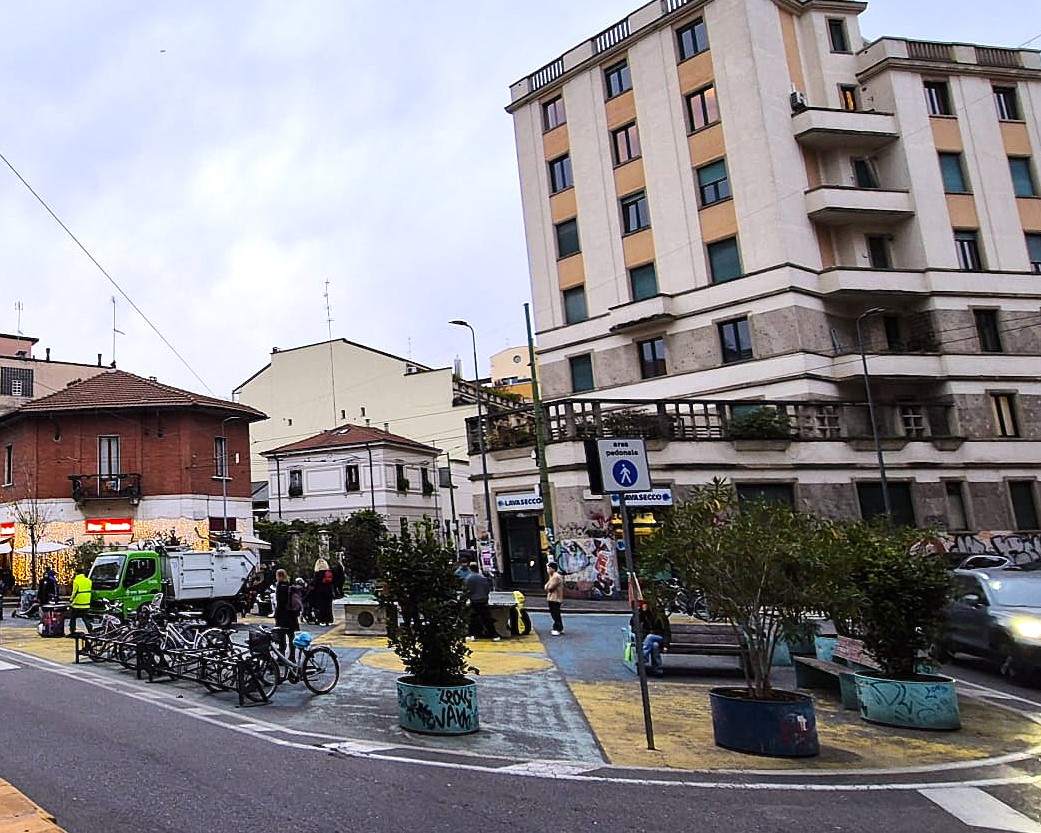


lala.ruhr was invited to contribute to the M-US-T study program in Milan.

We are proud to be able to contribute to the M-US-T Master’s program in Temporary Uses at the Politecnico di Milano!
How can temporary uses be integrated into the planning and transformation process, and what impact can they have? How do we view the timeframes of projects once conceived as permanent when looking back? With regard to the Ruhr region, the current engagement with the consequences of past industrial transformation as a never-ending task, serves as a benchmark that casts the question of interim use in a different light.
Drawing on the history of industry, landscape, culture, and planning, as well as the development of the RUHR and EMSCHER rivers, we discussed current ecological fragilities and the question of temporality in relation to the Anthropocene and the associated urbanization efforts. The way in which the Ruhr region has approached the task of shaping a living environment particularly since the decline of industry, and especially since the IBA Emscherpark, serves as a model in terms of projects and successes as well as processes and methods.
But even after several decades of investment in green spaces and infrastructure, the destruction that extends deep into the ground cannot be undone. The region remains a work in progress and a space for shaping the future of five million residents. The concept of understanding the region as a landscape, as Karl Ganser described it as the most important infrastructure, is and remains particularly groundbreaking today. A landscape that, under the difficult conditions of destroyed geological structures, must offer the residents of the Ruhr Metropolis a livable and ecologically high-quality home.
And even today, this is a challenge that especially in the context of climate change, requires courage, ideas, and innovation. Simply continuing as before is not an option. That is what lala.ruhr stands for. It is a laboratory for the future of a region, a laboratory for landscape and architecture, and for 5 million people. Because: The future can only be built together.
Thank you to Isabella Inti, Prof. Antonella Bruzese, Politecnico di Milano, and Sebastian Schlecht for lala.ruhr.
lala.ruhr was invited to contribute to the M-US-T study program in Milan.